

How To Publish Notion Pages To Webflow CMS Without Copy Paste

If you manage content in Notion but publish on Webflow, you’ve probably felt the pain of copying, pasting, reformatting, and fixing links for every single post. Good news: you can publish Notion pages to Webflow CMS without copy-paste — reliably, automatically, and in minutes — using SyncFlow.
SyncFlow is a Notion–Webflow sync app that maps your Notion database to your Webflow CMS Collection and keeps them in lockstep. Write in Notion, design in Webflow, and let SyncFlow handle everything in between.
- Explore SyncFlow: https://syncflow.ybouane.com/
- Get started now: https://syncflow.ybouane.com/
Why publish Notion pages to Webflow CMS automatically?
- Eliminate manual copy-paste and formatting errors
- Keep a single source of truth in Notion
- Auto-publish updates to Webflow in near real time
- Maintain SEO-friendly slugs, meta, and structured content
- Scale your content operations with consistent templates

How SyncFlow works in three simple steps
1) Install
- Connect your Webflow and Notion accounts to the SyncFlow app.
- Launch the app inside the Webflow Designer for a smooth setup.
2) Map Fields
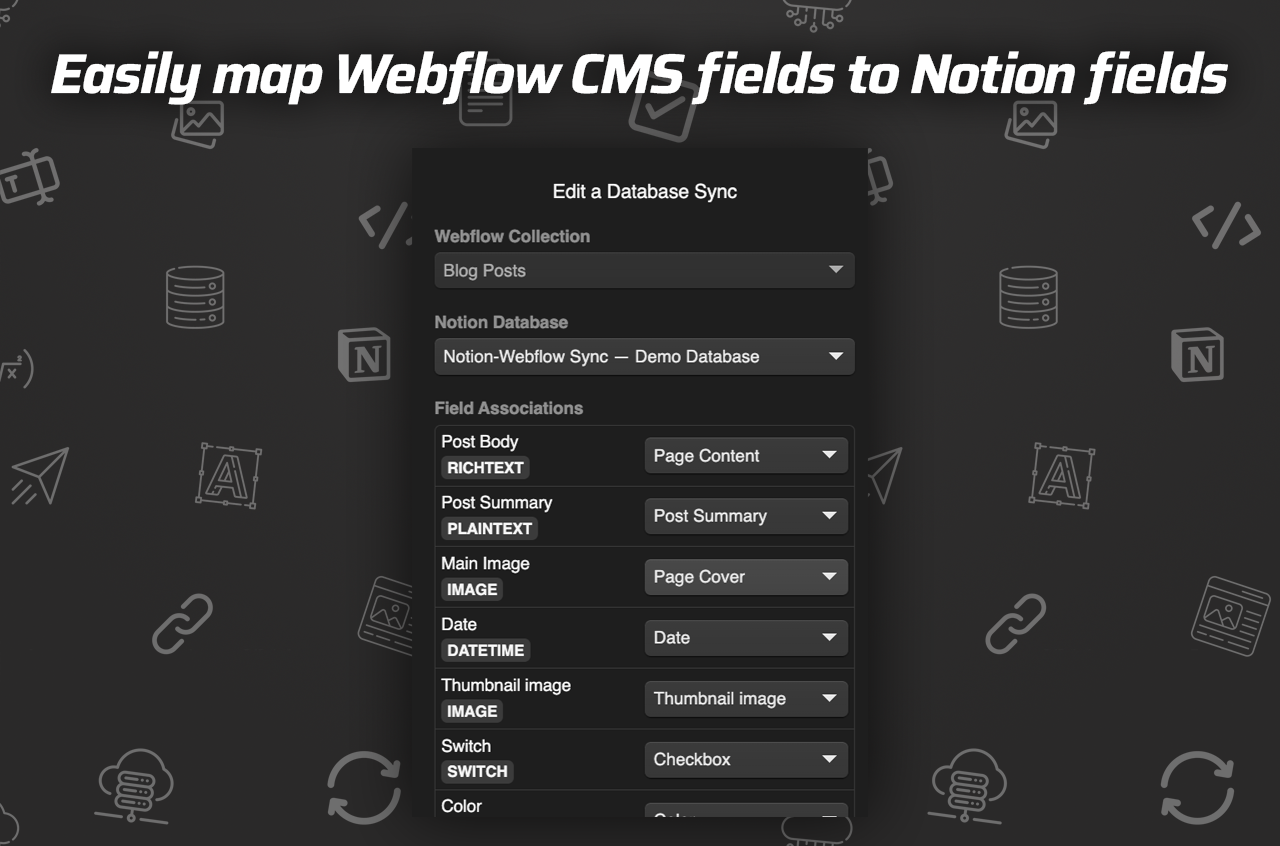
- Choose a Webflow CMS Collection (e.g., Blog Posts) and map it to a Notion database.
- Align fields like Title, Slug, Rich Text, Cover Image, Author, Tags, Publish Date.
3) Sync
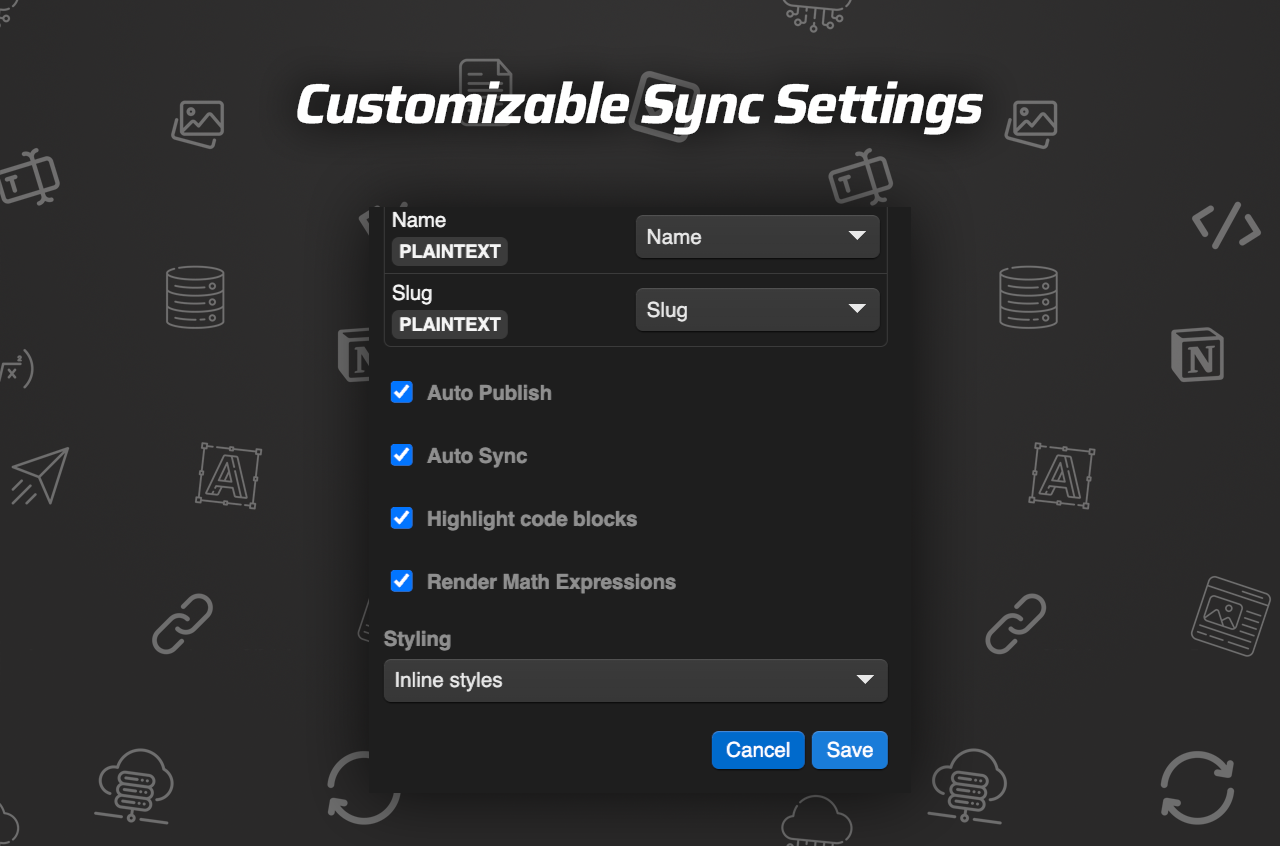
- Turn on Auto-Sync to mirror changes from Notion to Webflow automatically.
- Enable Auto-Publish so your site updates as soon as you edit in Notion.
Start here: https://syncflow.ybouane.com/
A quick, copy-paste-free setup (detailed)
Follow these steps to publish Notion pages to Webflow CMS without any manual pasting:
- Visit SyncFlow’s site and click Get Started: https://syncflow.ybouane.com/
- Grant access to your Webflow sites so SyncFlow can update your CMS.
- Create your SyncFlow account (or log in if you already have one).
- In Webflow Designer, open the SyncFlow app to connect your site.
- Click Connect Notion and choose the workspace page or database you’ll use for content.
- Create your first Sync Task: select the Webflow CMS Collection you want to populate (e.g., “Blog Posts”).
- Pick your Notion database or let SyncFlow create one for you (fields can be auto-generated).
- Map fields one by one — titles, rich text, images, slugs, summaries, authors, and dates.
- Configure settings:
- Auto-Sync (mirror changes from Notion)
- Auto-Publish (push live automatically)
- Code highlighting for developer posts
- TeX rendering for academic or technical content
- Choose your styling mode:
- Inline Styles: import Notion formatting directly
- Use Classes: style everything via Webflow classes for full design control
- Save your settings. Then add or update a Notion page and watch it appear in your Webflow CMS — no copy-paste required.
- Optional: Run a Full Resync to backfill a collection from an existing Notion database.
Map Notion and Webflow fields visually
Key features that make this seamless
- Auto-Sync and Auto-Publish: Keep your Webflow CMS fresh as soon as you hit save in Notion.
- Versatile field types: Text, images, checkboxes, dates, URLs, and more — all supported.
- Fully customizable output: Import Notion elements with inline styling or map to Webflow classes.
- Page linking: Cross-links between Notion pages become internal links between Webflow posts.
- Code highlighting: Cleanly render code blocks for developer docs or technical blogs.
- TeX support: Convert complex math into crisp, readable formulas on your Webflow pages.
Fine-tune your sync settings
SEO best practices with Notion to Webflow
- Structure content fields: Separate Title, Slug, Meta Description, Summary, Featured Image, and Publish Date. This lets SyncFlow map cleanly to Webflow’s CMS and improves search visibility.
- Control slugs in Notion: Use a dedicated Slug property to avoid post-launch URL changes.
- Optimize images: Include a Featured Image property in Notion; Webflow will generate responsive images from it.
- Use internal linking: In Notion, link to other pages. SyncFlow will convert those into internal links between Webflow posts.
- Keep headings clean: Maintain an H1 in Notion (your title) and H2/H3 for structure. This translates well to Webflow and helps crawlers.
Real-world use cases
- Editorial teams: Draft, edit, and approve in Notion, then auto-publish to Webflow — no handoffs.
- Developer blogs: Author in Notion with code blocks; SyncFlow adds code highlighting in Webflow.
- Academic content: Use TeX in Notion; SyncFlow handles rendering in Webflow for readable equations.
- Multi-author publications: Centralize bios, tags, and categories in Notion and keep them consistent in Webflow.
Watch the workflow in action
- Full tutorial: https://www.youtube.com/watch?v=_890vYoe3KQ
- Trailer video: https://www.youtube.com/watch?v=HGjBCLL3anc
Troubleshooting and pro tips
- Verify access scopes: If a field isn’t syncing, ensure SyncFlow has access to the correct Webflow site and Notion workspace.
- Recheck field mapping: A mismatched field type (e.g., Notion multi-select to Webflow plain text) can cause missing data. Align types for best results.
- Use Full Resync for legacy content: Migrating an existing blog? Run a full resync to match your current Webflow Collection to your Notion database.
- Choose styling mode early: If you want granular control in Webflow, pick the “Use Classes” option at setup.
- Keep a test collection: Before changing production content models, test on a staging Webflow Collection.
Pricing that scales with you
- Standard Plan: $8/month
- Includes 1 Webflow site install, unlimited syncs, unlimited databases, unlimited connected fields.
- Start your free setup today: https://syncflow.ybouane.com/
Why this beats manual copy-paste
- Speed: Publish updates in minutes, not hours.
- Consistency: Field mapping keeps formatting and metadata consistent across every post.
- Reliability: No human error from copying rich text, images, or code blocks.
- Focus: Write where your team works best (Notion) while Webflow renders a polished, branded experience.
Get started
You’re a few clicks away from publishing Notion pages to Webflow CMS without copy-paste. Connect your accounts, map your fields, and flip on Auto-Sync. Your team writes. Your site publishes. You scale.
- Try SyncFlow now: https://syncflow.ybouane.com/
- View demo posts and database from the homepage
Ready to publish smarter — not harder? Let SyncFlow bridge Notion and Webflow so you can focus on content, not busywork.
Some images in this article were generated via AI tools and the article itself was proof-read with AI.


